Storyboard artist
A scene exists only as a written beat, with no reference frame yet.
Draft one subject, one action, and one camera move to test the visual direction.
magic hour ai image-to imagePrompt-first video
Describe the action, setting, and camera movement you want to see. A clear prompt gives a text-to-video workflow a better starting point than a list of disconnected visual ideas.
Explore the workflow in a separate service
This page is a guide, not a live tool. Prepare your idea here, then open Kyncept and enter it there if the relevant tool is available.
Open Kyncept toolsIndependent guide: partner links open Kyncept, a separate service for text-to-image, image-to-video and text-to-video creation. No prompt, image or file is transferred from this page. Sign in to explore the tools. A new account receives three credits, enough to try image creation but not video generation, which costs at least ten credits.
Creators use prompt-based video tools to explore scenes before committing to a shoot or edit. The limits matter when choosing the next step.
A written brief may produce a useful visual direction without matching every action or detail. Treat the first result as a draft to review.
WorkaroundKeep one main action in the prompt, then revise details after inspecting the result.
Text alone may not preserve the same face, clothing, or props across separate scenes.
WorkaroundFor continuity, start with a reference image where an image-to-video workflow is appropriate.
A prompt-first workflow begins with an idea; it does not inherently fix motion, framing, or artifacts in an existing clip.
WorkaroundUse a video-to-video workflow when the source footage itself needs transformation.
For magic_hour text-to-video, the useful input is a short scene brief, not a script packed with unrelated shots.
Name the subject and location first: for example, a cyclist on an empty coastal road at sunrise. This gives the prompt a single visual center.
Describe what moves and how the camera follows it. A slow tracking shot is easier to evaluate than several competing camera instructions.
Check the main action, framing, and unwanted details before changing the prompt. Revise one instruction at a time so you can tell what helped.
Choose the starting material before writing a detailed prompt. These sibling guides separate a text brief from workflows that begin with an image or a clip.
A prompt can fail as a brief before generation begins: too many scenes, missing action, or conflicting camera directions make the intended result hard to judge.
These images illustrate the input-to-output idea; they are not a verified before-and-after generation pair.
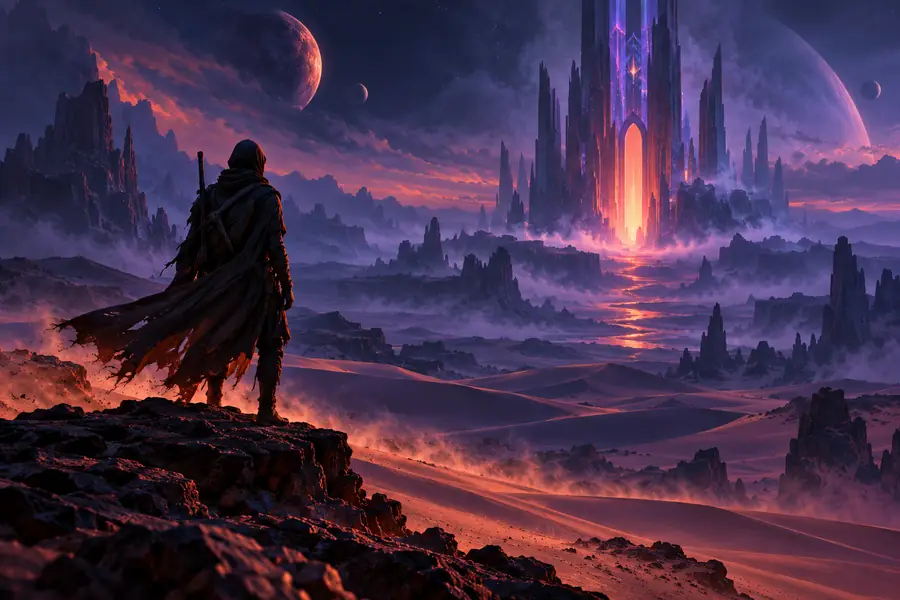
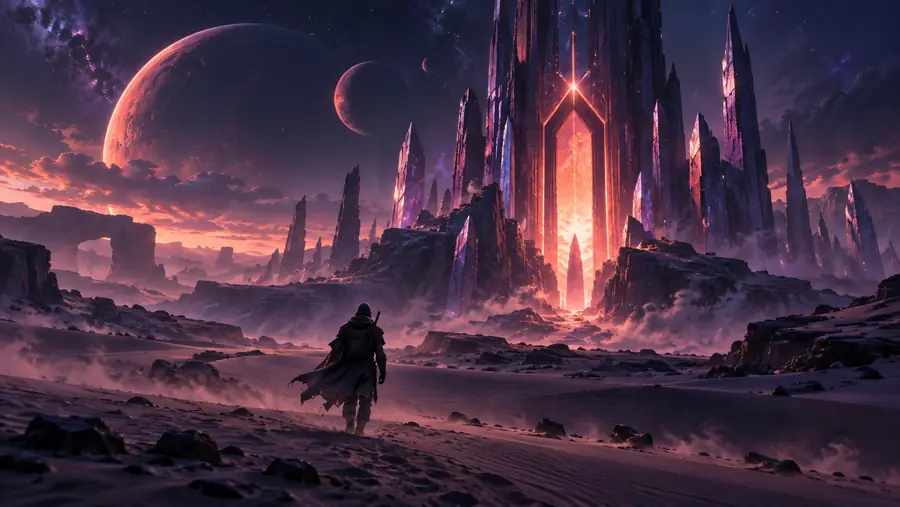
Magichour visitors may arrive with very different source material. Pick the workflow that matches what you already have, rather than forcing every idea into a text prompt.
A scene exists only as a written beat, with no reference frame yet.
Draft one subject, one action, and one camera move to test the visual direction.
magic hour ai image-to imageA portrait already has the lighting and composition the moving scene should retain.
Consider starting from that still instead of describing its details from scratch.
magic hour ai image-to-video generatorA recorded shot has the right movement but needs a different visual treatment.
Keep the footage as the source when its timing matters more than a new scene concept.
magic hour ai video-to-videoSeveral scene ideas need a shared look before anyone works on motion.
Develop the reference imagery first, then choose which concepts warrant a video brief.
magic hour ai image-to imageKyncept is a separate text-to-video option: state what viewers should see, make the motion explicit, and inspect the result against your original brief. Availability and output options depend on the destination tool.
Create a sceneIt means beginning with a written description of a moving scene rather than supplying a source image or clip. The description should identify the subject, visible action, setting, and any important camera movement.
Not for a prompt-first text-to-video brief. If you already have footage and want to change its appearance while keeping its movement, a video-to-video workflow is the more relevant starting point.
Do not assume it will. Text may describe a character, but consistent identity across separate results needs careful checking; an existing reference image may be a better starting point when appearance matters.
First check whether the prompt asks for several actions or camera moves at once. Simplify it to one central action, then adjust one detail and compare the next result with the previous one.
No. The distinction is the starting input: a written scene brief for text-to-video, versus an existing still image for image-to-video. Choose the image-led route when a particular composition needs to remain recognizable.