magichour

Turn a still into motion with a magic hour ai image-to-video generator

A magic hour ai image-to-video generator starts with an existing image and a description of how it should move. The still gives the clip its subject and composition; the motion prompt gives it a direction.

Explore the workflow in a separate service

This page is a guide, not a live tool. Prepare your idea here, then open Kyncept and enter it there if the relevant tool is available.

Open Kyncept tools

Independent guide: partner links open Kyncept, a separate service for text-to-image, image-to-video and text-to-video creation. No prompt, image or file is transferred from this page. Sign in to explore the tools. A new account receives three credits, enough to try image creation but not video generation, which costs at least ten credits.

Creative video imagery representing a still-image-to-motion workflow

Why start with an image?

An image-to-video workflow lets you choose the subject before planning movement. These starting points call for different kinds of control.

Illustrators

Begin with a finished character illustration and describe a small gesture rather than redesigning the character.

Keeping motion modest gives you a clearer basis for judging whether the character stays recognizable. For a new still instead, explore image transformation.

magic hour ai image-to image
Storyboarding teams

Use a selected scene frame to test a camera move before committing to a longer sequence.

The frame establishes the initial layout, while the motion description tests pacing and direction. If no frame exists yet, start from a written scene.

magic_hour text-to-video

Video editors

Turn a campaign key visual into a short moving concept for review.

A still-led clip can communicate movement without requiring source footage. If footage already exists, consider transforming that clip instead.

magic hour ai video-to-video

The tool block

The useful question is not just what should move, but what must remain unchanged between the first and last frame.

  1. 1

    Choose a clear starting image

    Select a still with a distinct subject and enough visible space for the intended action. Check fine details, such as hands or lettering, before using it as the reference.

  2. 2

    Describe one primary motion

    Name the subject’s movement and, if needed, a separate camera movement. A restrained request is easier to evaluate than several competing actions.

  3. 3

    Review the resulting clip

    Compare early and late frames for changes in identity, object shape, background, and unwanted motion. Revise the source image or motion description when those details drift.

Input: an existing still image and a motion description. Intended output: a moving interpretation of that still. Review points: subject consistency, motion clarity, and unwanted changes.

From starting frame to moving concept

  • Starting still
  • Motion concept

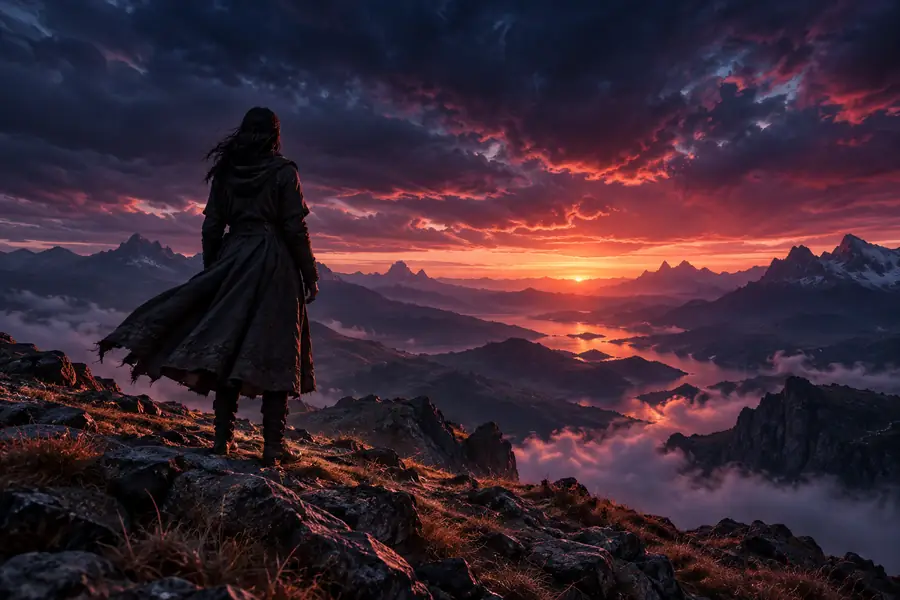
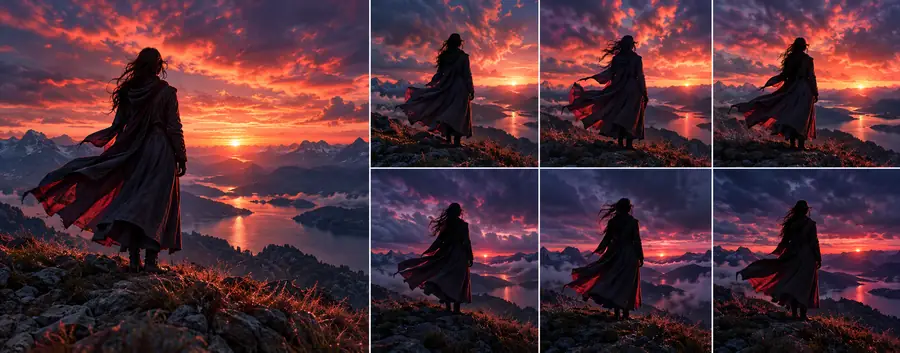
These are illustrative images, not verified frames from one generated clip. Use a real output’s first and last frames to assess whether the subject remains consistent.

Illustrative image representing a starting still
Illustrative image representing an animated-photo concept

Where a single frame falls short

An image-to-video generator can interpret a still, but the still cannot show every hidden surface or guarantee how an action unfolds.

  • Hidden details are undefined

    A single view does not specify what an object looks like from every angle. A large turn may reveal details that were never present in the source.

    WorkaroundPrefer a smaller turn or choose a source image that shows more of the subject.

  • Small features may drift

    Fine text, fingers, jewelry, and repeated patterns can change as frames are interpreted.

    WorkaroundInspect the clip frame by frame before using it where those details matter.

  • Precise choreography is uncertain

    A motion description expresses intent; it does not establish a frame-by-frame path for every object.

    WorkaroundRequest one simple action at a time and evaluate the result against the starting image.

Start with a strong still

Give your image a motion direction

Pick a frame with a clear subject, describe the movement you want to test, and examine the result before sharing it. The magic hour ai image-to-video generator workflow is most useful when you can compare the moving interpretation against a specific starting image.

Animate an image
  • Choose the starting frame
  • Describe one main action
  • Check the resulting motion

Variant FAQ

It begins with an existing still image rather than only a written scene description. A motion prompt can then describe how the subject or camera should move.

Image-to-video uses a chosen frame to establish the initial subject and composition. Text-to-video starts from a written description when you do not have a frame to supply.

Do not assume every detail will remain identical as the image is interpreted across frames. Check recognizable features, text, object edges, and the background in the actual result.

Describe one visible action, then add a camera move only if it helps explain the shot. For example, ask for a gentle head turn with a stationary camera rather than several unrelated movements.

Start creating
Start creating